
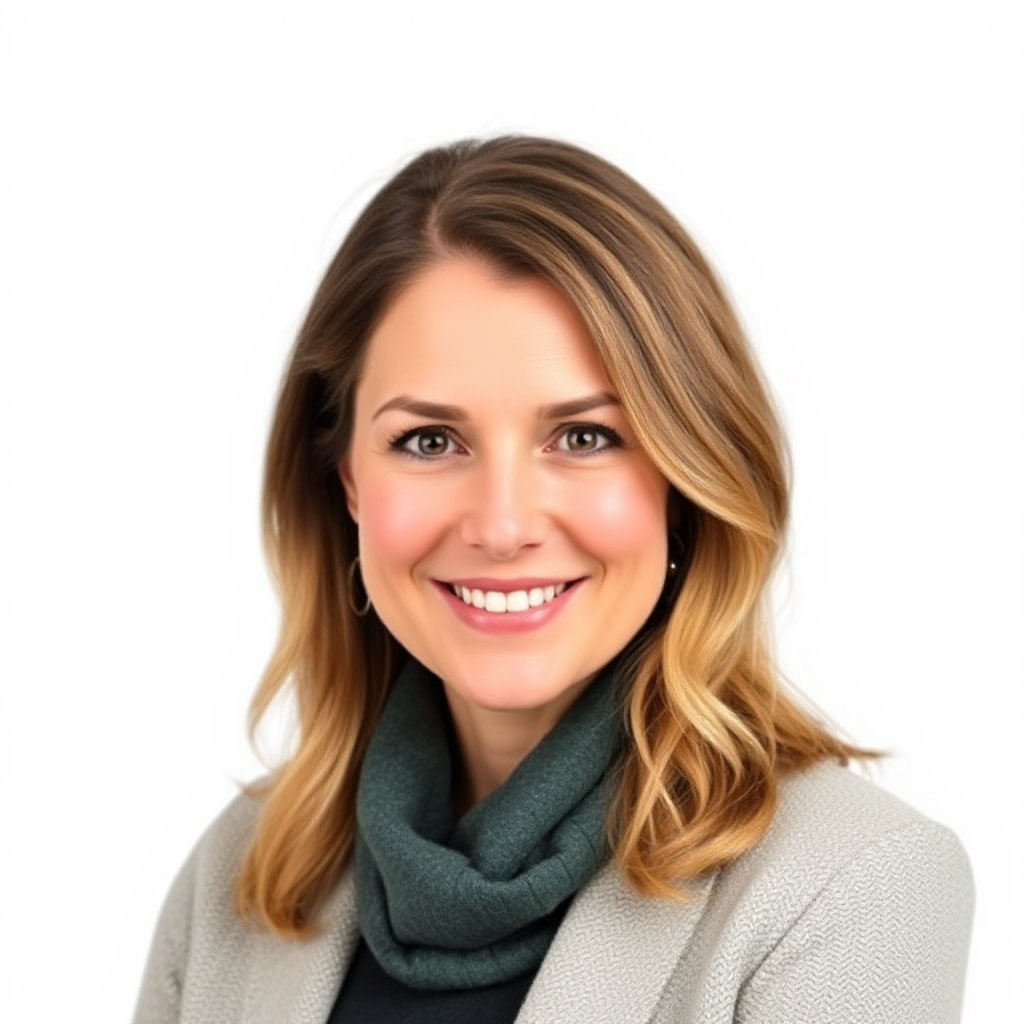

Previous Google executive Matt Brittin has been confirmed as the British Broadcasting Corporation's new leader.
The previous head of the tech giant's Europe, Middle East and Africa operations will succeed the outgoing director general, who announced his resignation in November following a storm over how a Panorama altered a speech by Donald Trump.
BBC chairman Samir Shah that Brittin, who departed from Google in 2025 after nearly two decades, "offers the BBC considerable experience of guiding a high-profile and sophisticated institution during significant evolution".
Brittin, 57 commented he "is excited to start this role", describing it as "a time of genuine danger, yet also real opportunity".
He noted that the UK must have "a successful BBC that serves everyone in a complex, volatile and fast changing landscape".
Setting out his priorities, he said: "The BBC needs the speed and drive to be both covering events, and where viewers and listeners are. To strengthen the audience, reputation and creative strengths today, tackle difficulties with courage, and prosper as a public service fit for the coming era."
'Radical Overhaul'
Shah called Brittin "a remarkable figurehead" with "the attributes needed to guide the organisation through the many developments taking place in the media market and in audience behaviours".
The BBC chief also highlighted Brittin's "enthusiasm for the BBC, his understanding of the issues facing the institution, his commitment to its independence and his resolve to uphold the BBC's status as one of the nation's most important public institutions".
The new chief joins at "a critical moment", as the government examines the BBC's governing charter, Shah stated.
"Undoubtedly there is a necessity for radical reform of the BBC, its licence fee system and the system in which it works. The stakes for the BBC, and the future of publicly-funded media, have never been more significant."

The BBC's top job is seen to be one of the toughest in the UK's journalism.
During Davie's tenure as the BBC's 17th chief, he was tasked with dealing with a succession of issues and difficult periods at the organisation.
His key tasks will include addressing a multi-billion defamation lawsuit initiated by the former president against the BBC.
Trump is challenging the way the documentary combined two sections of a speech he gave on January 6th, for which the BBC has apologised.
The previous week the broadcaster petitioned a court to reject the claim, stating the Panorama episode never aired in the America.
BBC at a Crossroads
The new director general takes charge at a pivotal moment for the BBC in additional respects, too.
He will continue negotiations with the ministers on the broadcaster's charter and the future of the licence fee and public service budget.
The present framework, which defines the conditions and mission of the BBC's role, will expire in the coming years.
Brittin's selection also comes at a point when the BBC is competing with large technology firms in the online content market.
Google's parent company owns YouTube, with which the BBC recently revealed a landmark deal to produce specially created content.
Corporate History a Asset?
Several individuals within Google "are full of praise" about Brittin, as an charismatic manager and a great team player".
Some have queried the BBC's decision to hire someone with a career history in the corporate world rather than public service or conventional content experience.
However, it is believed that "he's been picked by the BBC Board for his deep understanding of major tech firms. There's an expectation he will accelerate the shift to online, for example in journalism. He'll also almost certainly prioritise revamping and innovating BBC iPlayer."
Former senior BBC journalist Peter Barron, who collaborated with him at Google, remarked he is "deeply inspired by a feeling of the public good".
"He loves the BBC for its credible news and its originality, but he's also very conscious of its history as a innovation trailblazer.
"His goal is for the BBC to prosper in a environment where many of its most significant issues are related to digital innovation, whether that's the dominance of the streaming services, digital false information, or merely how people wish to watch programmes.
"Considering his experience and connections within the technology sector, and also the relationships he's built with media companies, the journalism sector, regulators and governments, I think he's extremely well positioned to tackle the issues."
Who is Matt Brittin?

Born in southern England, Brittin earned a degree from the University of Cambridge, while also rowing for them in the Boat Race on three occasions.
He also raced for Britain and won|secured|earned


